AG Geographies of Conflict, Peace and Security
Workshop: Perspectives from the Pacific Islands on climate and nuclear justice
18 June 2026
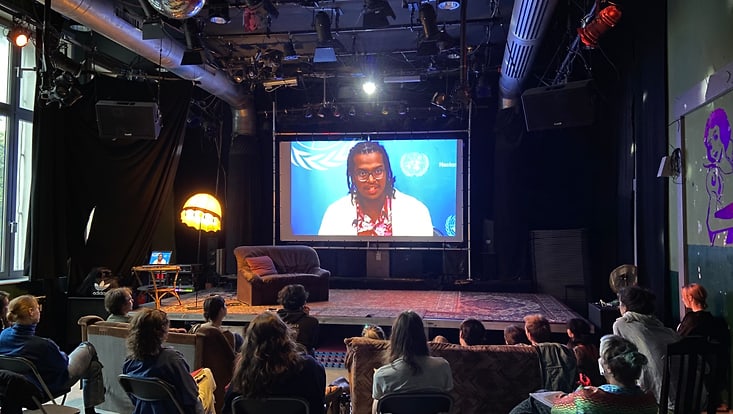
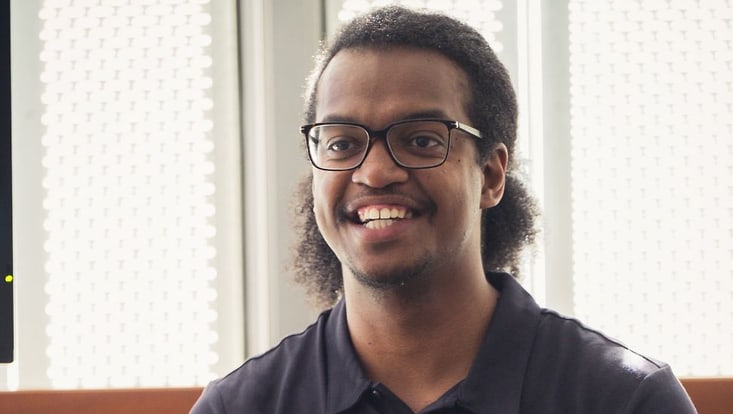
Photo: private
Tamatoa is invited to “verquer. Vielfältige Bildung in Vorpommern“ in Greifswald to talk about his perspectives on climate and nuclear justice.
16:30 - 19:00 Part 1: Climate Justice in the Pacific
19:00 - 20:00 Soli - Kitchen (vegan food)
20:00 - 21:30 Part 2: Nuclear Justice: a call to collective action
Part 1: Rethinking Global south and north border: the context of Climate Justice in the Pacific
The Pacific is often framed as a peripheral space in global climate debates, positioned at the margins of a North/South divide largely defined through economic indicators and geopolitical power. Yet, the legacies of nuclear colonialism in Māòhi Nui/French Polynesia reveal how these borders are historically produced through extractivism, militarization, and environmental sacrifice. In this context, climate justice cannot be reduced to questions of vulnerability or adaptation alone. It must also address the unequal distribution of risk, health burdens, cultural disruption, and economic dependency inherited from colonial and nuclear infrastructures. By centering Indigenous epistemologies and community experiences, this presentation interrogates how Pacific societies challenge dominant frameworks of climate governance and redefine justice beyond state-centric and technocratic approaches. Rethinking the Global North and South from the Pacific thus requires understanding climate justice as inseparable from historical responsibility, decolonization, and nuclear justice.
Part 2: Nuclear Justice: a call to collective action
In October 2025, the seminar on “Nuclear and Climate Justice” provided critical space to rethink the enduring legacies of nuclear colonialism in the Pacific. Beyond environmental contamination and health impacts, this presentation highlights the social, cultural, and economic consequences of the nuclear era in Māòhi Nui/French Polynesia. It calls for a broader understanding of nuclear justice that centers Indigenous voices, lived experiences, and community-based knowledge systems. By connecting questions of healthcare access, economic dependency, cultural disruption, and political recognition, the presentation seeks to foster dialogue between researchers, activists, and affected communities. Ultimately, it invites collective action toward a decolonial and holistic vision of justice, grounded in both historical accountability and Pacific futures.